
A Recent Hospital Stay
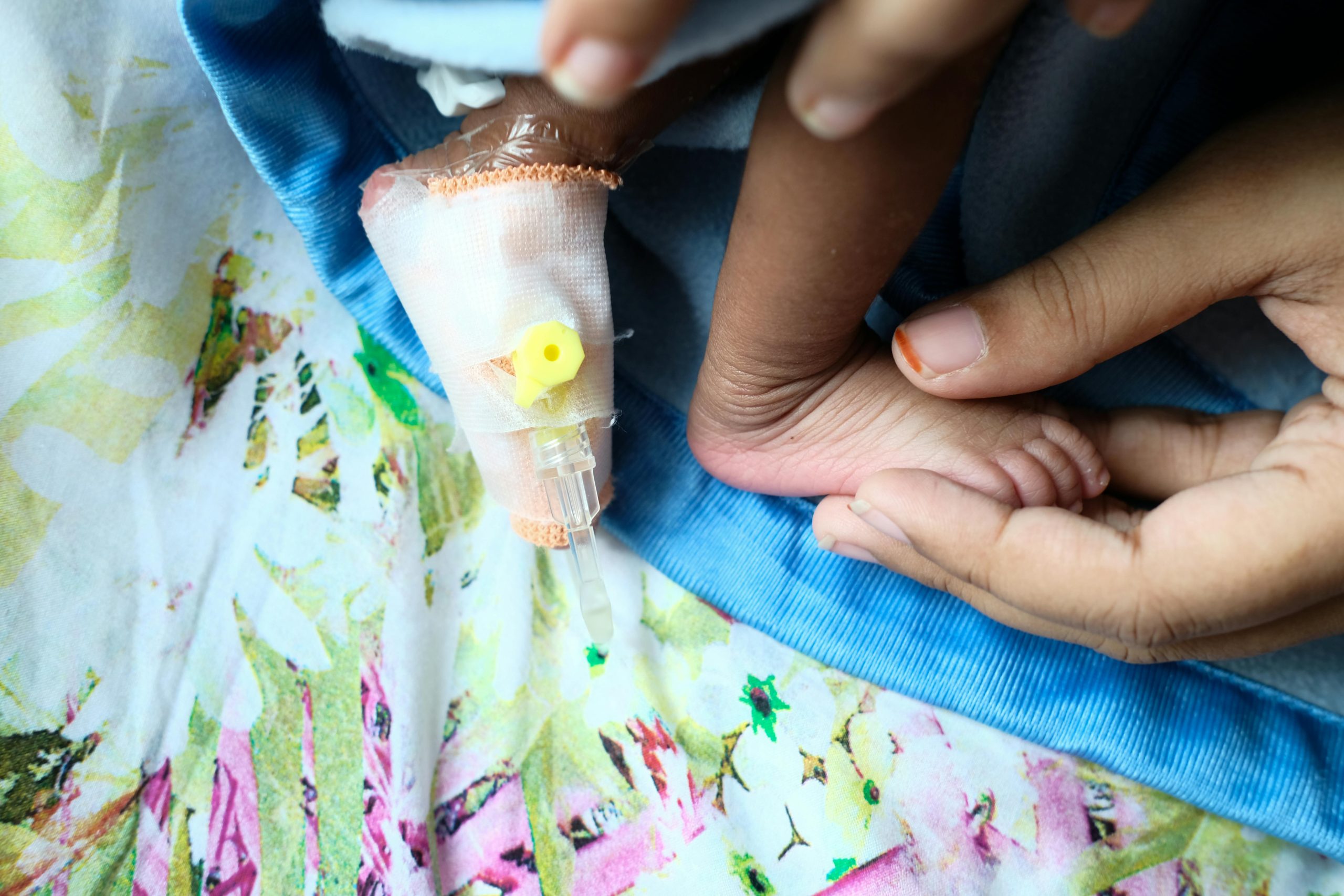
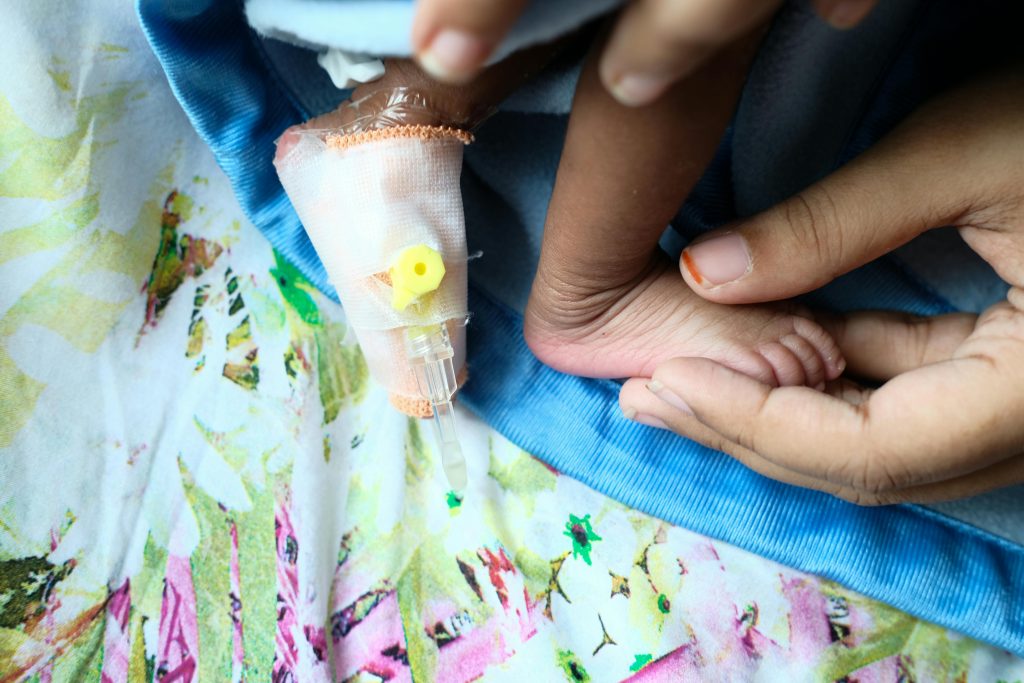
My daughter was recently hospitalized for a week after Vertebral Body Tethering (VBT) for her progressive idiopathic scoliosis. Our room was in the back corner of a hallway, and my husband brought me coffee and food so that I was able to stay by my daughter’s side at all times. Near the end of the week she went walking in the hall. For the very first time, I was able to pay attention to my surroundings. We passed a room with a little baby being rocked. A few doors down, a little girl waved at me. I noticed she was in her room all alone. She couldn’t have been more than six years old.
Distance Based Morality
Quite a few years ago when I was getting my undergraduate degree, I had a professor who I loathed. I never use that word, “loathe,” and I’ve chosen it here to intentionally represent my disgust. Going to class was miserable. He was teaching us philosophy, but the way he did it got under my skin. I saw him as callous and mocking to people in the desperate scenarios he presented to us. And yet, twenty years later, I thought of that man almost immediately as I walked the hall of the ICU. I can remember his words so clearly. It took a long time, but now I see what he was trying to teach us even if I didn’t agree with the way he went about it back then.
He asked us a popular question often presented to philosophy students: If you walk past a pond and a child is drowning, are you obligated to help them? My loathing for him came when he pretended to be a child drowning, complete with gargling sounds and gasping for air. It was just unnecessary, inappropriate theatrics and made dislike him immediately. Then, after arguing perspectives over this question, he would present the next one: If there is a child drowning in another state or another country, are you obligated to help them?
Alone in ICU
I wondered where the little girl’s parents were when I saw her alone in that hospital room. Was there not a grandma available? Maybe an aunt or uncle, a cousin, or a family friend who could have taken a shift so that she was not alone? I wondered about how the nurses and doctors handle this situation. They have to try to help a child heal, entertain them, and provide some sense of comfort when they have many other patients as well. I couldn’t shake it. While I was with my own daughter, I was thinking about how unimaginable it was to me that she would ever be there without one of her parents in ICU. I mentioned that I had noticed the other little girl to our nurse. She said they see kids alone in ICU all the time. Because I have not faced the long-term illness of a child, my ignorance to what it is like for the families hit me in the stomach. People have to work. Families don’t always live near each other, or even speak to each other. And children are in ICU alone.
This hospital is about forty minutes from my home and I had never considered this situation. The situation had been there, and because it wasn’t right in front of me I had not seen it. My mind flashed back to the little boy at the hospital I visited as a volunteer in college. He had HIV and was so excited for the day he could finally go home. I was there on that very day, and no one came to pick him up. I guess I thought that was the exception, and I was wrong.
What We Choose to See
Brigid Daull Brockway wrote, “I believe in sticking my nose into other people’s business. When I was a teenager, a man I knew killed his son and himself. On the TV news the neighbors were shocked that something like this would happen here, and they had no idea the family was in such trouble. It was a lie. We all knew what that man did to his kids. We told ourselves it was none of our business, and now we were lying because we were complicit in a child’s death. We’d seen the bruises on the children and did nothing. We’d seen the way he talked to them and said nothing. And so when the TV cameras came along, we told them we saw nothing. I helped kill that kid, like everyone else, in the name of minding my own business” (This I Believe II, 38-39).
My old professor wanted us to consider whether our morality was based on a solid foundation or if it was filled with holes. Did we really believe in helping people? If we said we did, then why didn’t our actions match our beliefs? Was there a line that we could draw where suddenly it was too far or too much and we only helped those who were in close proximity to our own location, who looked like us, or who shared the same opinions? How can drawing that line ever be moral rather than simply self-preserving? How can we be both?
I hope that I will remember the feeling of seeing that child alone in the hospital. I hope I will consider what I’m choosing to see, and not see, each day.